Boat Winterization in Maryland: A Chesapeake Bay Boater’s Fall Checklist
If you keep your boat in Baltimore, Annapolis, the upper Chesapeake Bay, or along the Potomac near Washington, D.C., October is the month to start thinking seriously about winterization.
Those warm early-fall weekends can make it tempting to squeeze in one more run on the Bay. And some years, you absolutely can. But waiting until cold weather is already in the forecast can leave you scrambling for a haul-out appointment, winter storage, or a marine technician.
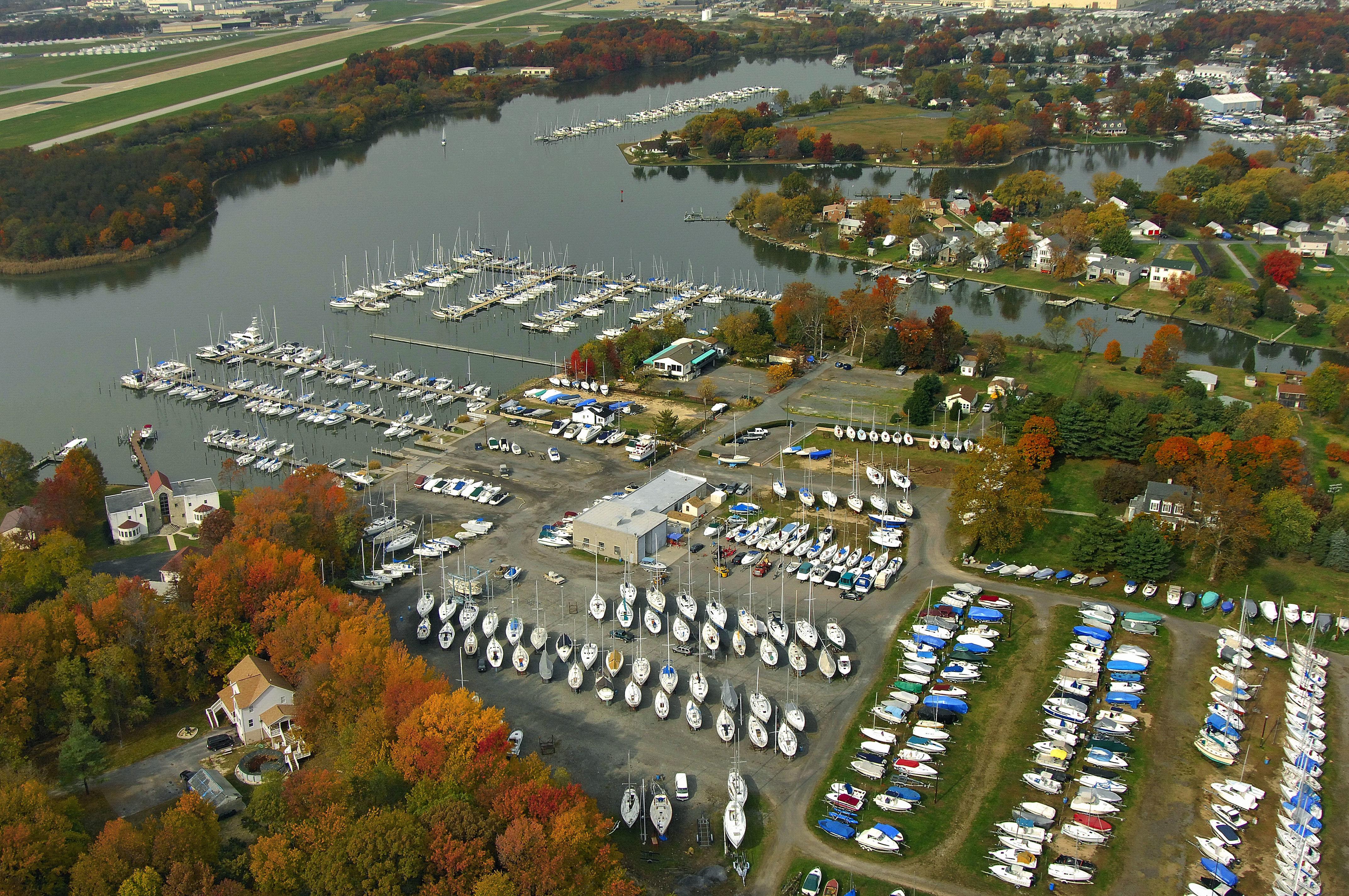
Across the Maryland Chesapeake region, winter storage seasons commonly begin in early to mid-October. Some local yards run winter storage from October through April or May, and availability can tighten as haul-out season gets underway.
So, when should you winterize your boat in Maryland?
For most recreational boaters, October through early November is the key preparation window, with the exact timing depending on how long you plan to keep boating, where the boat is stored, and whether it will remain in the water.
Here’s what Mid-Atlantic boaters should be doing now.
1. Schedule Your Haul-Out or Winterization Now
Don't wait for the first freezing night to call the marina.
October is when many Chesapeake Bay boatyards transition from summer service to winter hauling and storage. Local providers are already encouraging boaters to get on their calendars before the first freeze, and some Maryland facilities note that winter storage space can reach capacity.
If your boat is in the Baltimore Inner Harbor, Middle River, Annapolis, Kent Island, the Eastern Shore, National Harbor, or farther down the Potomac, contact your marina or service provider and ask:
When do you recommend winterizing?
When does your winter haul-out schedule begin?
Is winter storage included with my slip?
Can I leave the boat in the water through part or all of the winter?
Do you offer engine and freshwater-system winterization?
Is shrink wrapping available?
When is spring launch scheduled?
Even if you want to enjoy a few more weekends on the Chesapeake, having a date on the calendar gives you a firm end to your season.
2. Decide: In the Water or On the Hard?
Not every Maryland boater pulls their boat for winter.
Protected locations around Baltimore, Annapolis, Washington, D.C., and other parts of the Chesapeake and Potomac may offer annual slips or permit winter wet storage. But keeping a boat in the water changes your winter maintenance responsibilities.
You'll need to consider shore power, batteries, bilge pumps, ice, dock lines, freezing temperatures, snow, and how frequently someone will check the boat.
Maryland DNR maintains icebreaking operations during the winter because freezing conditions can affect Maryland waterways. That's a good reminder that even relatively protected Chesapeake waters aren't immune to winter ice.
For many recreational boat owners, hauling the boat simplifies the winter.
If you're considering keeping your boat in Baltimore year-round, take a look at SeasonalSlips' guide to annual boat slips, or explore Baltimore options such as Inner Harbor Marina and Harbor East Marina.
3. Winterize the Engine — Not Just the Boat
Hauling a boat out of the water doesn't automatically make it winter-ready.
Water left inside an engine or other onboard systems can freeze, expand, and potentially damage components. Fuel can also deteriorate during extended storage.
Your exact procedure depends on whether you have an inboard, sterndrive, outboard, or diesel, so follow your manufacturer's recommendations or use a qualified marine technician.
Typical fall engine service may include:
Changing engine oil and filters
Treating or stabilizing fuel
Changing fuel filters/water separators
Checking lower-unit or drive lubricant
Inspecting for water intrusion
Flushing and winterizing the engine as required
Inspecting belts, hoses, clamps, and connections
Testing and preparing batteries for storage
Inspecting the propeller, shaft, anodes, and running gear
If your boat is already coming out of the Chesapeake, this is also a good opportunity to address maintenance you've been putting off all summer.
4. Don't Forget the Freshwater System, Head and Holding Tank
Engines get most of the attention, but they're not the only systems vulnerable to freezing.
Any system that holds water needs attention.
That can include your:
Freshwater tank and plumbing
Water heater
Washdown system
Marine head
Holding tank
Air-conditioning system
Shower sump
Livewell
Raw-water washdown
Generator
Ice maker
Refrigerator water line
Pump out your holding tank before shutting the boat down for winter. Maryland DNR maintains a list of pump-out locations covering the Baltimore area, Annapolis, the Potomac, the Eastern Shore and other Chesapeake Bay waterways.
This is one of those jobs that's much easier to handle on a mild October afternoon than during the first freezing week of December.
5. Give Your Hull and Running Gear a Fall Inspection
Haul-out day isn't just about getting the boat onto stands.
Once the hull is out of the Chesapeake, inspect it while the season is still fresh in your mind.
Look for:
Propeller damage
Fishing line around the shaft
Worn anodes
Blisters or hull damage
Excessive marine growth
Damaged trim tabs
Loose fittings
Cracks or impact damage
Areas that may need bottom paint
Many Maryland yards incorporate hauling, pressure washing and blocking into their winter-storage programs.
Take pictures and create a spring work list now. You'll thank yourself when March arrives.
6. Remove the Stuff You Don't Want Sitting Aboard Until April
Spend 20 minutes emptying the boat before you leave it for the winter.
Remove food, drinks, wet towels, life jackets that need cleaning, electronics, fishing equipment and anything else that could attract pests, retain moisture, freeze, corrode or disappear during months of storage.
Open lockers and compartments where appropriate to encourage airflow.
Clean the refrigerator.
Clean the bilge.
Check for water intrusion.
And don't leave January-you wondering what September-you left buried underneath the aft seat.
7. Decide Whether You Need Shrink Wrap
Shrink wrapping is common around Chesapeake Bay boatyards because it protects boats stored outside from rain, snow, dirt and debris.
But don't simply wrap the boat tightly and forget about it.
Proper ventilation matters because moisture trapped underneath a cover can contribute to mildew and corrosion.
Ask your yard what its shrink-wrap package includes and whether you'll have access to the boat during winter storage.
If you're planning upgrades, electronics installation, detailing or other offseason work, make sure your storage arrangement allows contractors or technicians to access the boat.
8. If You're Still Boating, Treat Cold-Water Boating Differently
Plenty of Chesapeake boaters keep going well into fall.
Rockfish season, quiet anchorages and less traffic can make October and November some of the best boating of the year.
But cooler air temperatures don't tell the whole story.
Maryland Natural Resources Police specifically warns that cold-water boating increases the danger from cold shock and hypothermia and recommends additional precautions such as wearing a PFD, filing a float plan, carrying appropriate communications equipment, and dressing for the water temperature rather than simply the air temperature.
That quick November trip from Baltimore Harbor toward the Bay Bridge deserves a different level of preparation than the same trip in July.
9. Start Thinking About Your 2027 Slip Before Spring
Winterization feels like the end of boating season.
It's also the beginning of planning for the next one.
If you're happy with your marina, ask about renewal deadlines before leaving for the winter. If you're thinking about changing marinas, don't automatically wait until March or April to start searching.
Some Baltimore-area SeasonalSlips marina profiles already identify February through May or June as periods of higher demand.
Winter gives you time to compare location, water depth, shore power, amenities, annual versus seasonal contracts and access to your preferred cruising grounds.
You can search annual and seasonal marina slips on SeasonalSlips or browse our boating and marina guides while planning next season.
Your Mid-Atlantic Boat Winterization Checklist
Before you officially call the 2026 Chesapeake boating season finished, make sure you've covered the basics:
Schedule
Book winterization
Reserve haul-out
Confirm winter storage
Ask about spring launch
Mechanical
Winterize engine
Change oil and filters as appropriate
Treat fuel
Inspect drive or lower unit
Check batteries
Water Systems
Drain and winterize freshwater systems
Pump out holding tank
Winterize heads, water heater and washdowns
Protect other raw-water systems
Hull
Pressure wash bottom
Inspect hull
Check prop and running gear
Inspect anodes
Note spring repairs
Storage
Remove food and valuables
Clean refrigerator and bilge
Reduce onboard moisture
Cover or shrink wrap appropriately
Confirm how often the boat will be checked
Next Season
Review your current marina
Confirm your 2027 renewal deadline
Start comparing slips if you're considering moving
Don't Wait for the First Freeze
If you boat around Baltimore, Annapolis, Washington, D.C., or anywhere along the Chesapeake Bay, fall can still deliver some fantastic days on the water.
Enjoy them.
Just don't let a 70-degree October afternoon convince you that winter isn't coming.
Get your winterization and storage plans scheduled now, finish the season on your terms, and use the offseason to make sure your boat — and your marina slip — are ready when Chesapeake boating season returns.
Looking for a seasonal or annual slip for next season? Explore marinas and long-term boat slips on SeasonalSlips and start planning your 2027 home on the water.