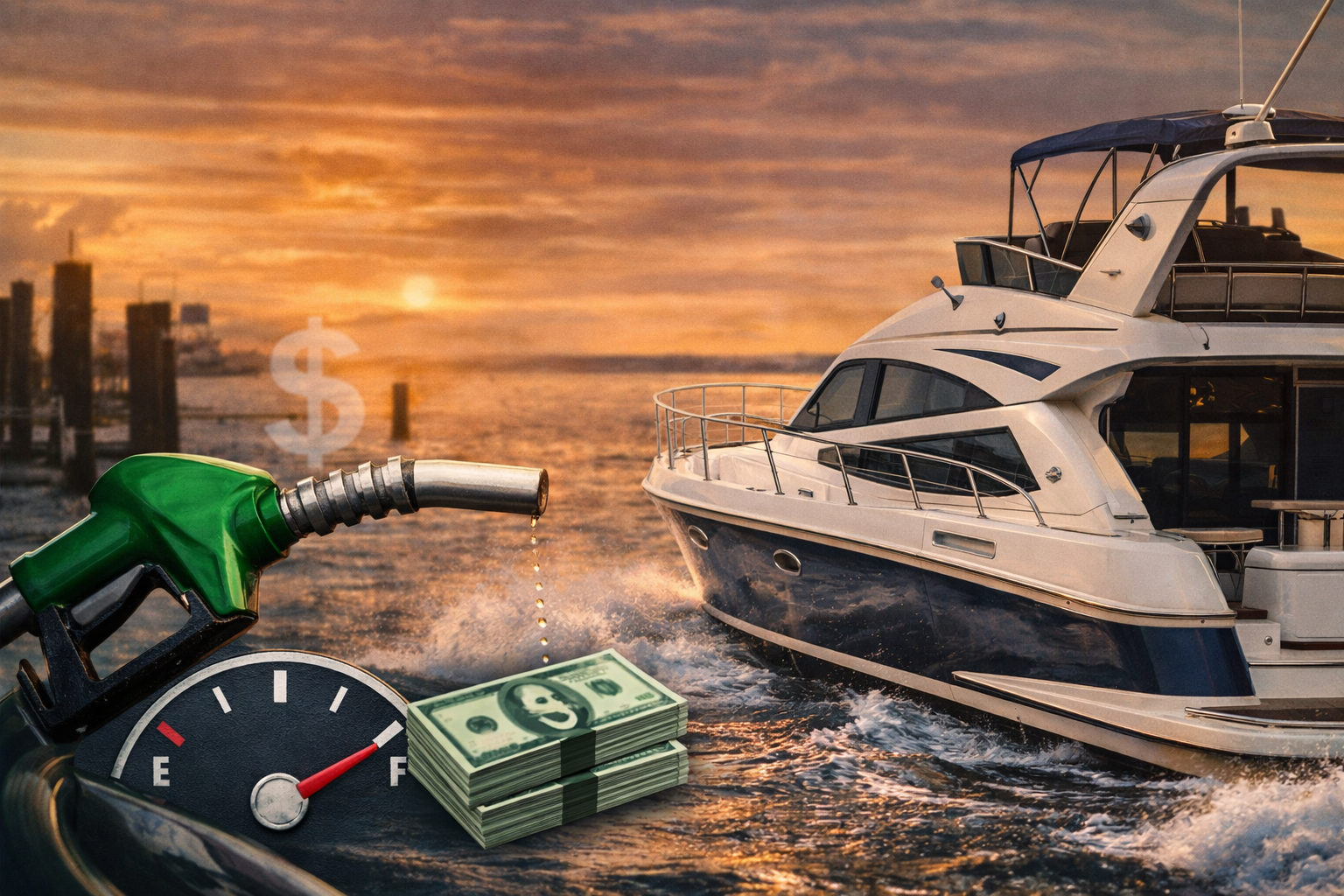
The Big Shift: From Mobility to “Stay Local”
Historically, large power boaters planned long-distance cruising seasons—hopping between marinas, regions, or even coasts.
Now, higher fuel costs are changing that behavior:
Fewer long-distance trips
More “home marina” loyalty
Increased demand for seasonal and annual slips
Why?
A 40–60 ft powerboat can burn:
30–100+ gallons per hour
At $4–$6/gallon → $150–$600/hour in fuel
That makes repositioning your boat—even once—a serious financial decision.
👉 Result: Boaters are prioritizing stable, long-term slip reservations over frequent movement.
Trend #1: Seasonal Slip Demand Is Surging
Marinas across the U.S. are seeing:
Higher early-season booking rates
Increased waitlists for premium slips (40ft+)
More boaters locking in full-season contracts
What this means for you:
If you’re running a 40ft+ vessel, waiting until peak season is risky—availability is tightening faster than in previous years.
🔗 Helpful resource:
U.S. Marina Directory: https://www.marinas.com
Seasonal Slip Listings: https://www.seasonalslips.com
Trend #2: Transient Docking Is Becoming More Strategic
Fuel prices don’t eliminate travel—but they compress it.
Instead of multi-stop cruising itineraries, boaters are:
Choosing fewer destinations
Staying longer at each marina
Prioritizing marinas with:
Fuel discounts
On-site amenities
Walkable access to food, repairs, and provisioning
Key Insight:
Transient reservations are down in volume, but up in duration per stay.
Trend #3: Regional Boating Is Winning
Gas prices are pushing a strong shift toward regional boating ecosystems.
Examples:
Northeast: Boaters staying within Long Island Sound or Chesapeake Bay
Florida: East coast vs. Gulf coast loyalty increasing
Great Lakes: Less cross-lake repositioning
Why it matters:
Marinas in dense boating regions are seeing:
Higher occupancy rates
Reduced turnover
More competitive pricing for large slips
Trend #4: Fuel Availability Is Influencing Marina Choice
It’s not just price—it’s access.
Boaters are actively choosing marinas based on:
Reliable fuel docks
Competitive fuel pricing
Bulk or member discounts
🔗 Check fuel pricing trends:
BoatUS Fuel Price Reports: https://www.boatus.com/fuel
AAA Gas Prices (Marine-adjacent trends): https://gasprices.aaa.com
Trend #5: Larger Boats Feel It More
If you’re running a 40ft+ vessel, you’re disproportionately impacted:
Boat SizeAvg Fuel BurnCost Sensitivity25–35 ftModerateFlexible40–60 ftHighStrategic60+ ftVery HighHighly planned
Translation:
The bigger the boat:
The more likely you are to secure a long-term slip
The less likely you are to cruise frequently
How This Impacts Slip Pricing
Higher fuel costs are indirectly pushing slip rates upward, especially for larger vessels.
Why?
Demand concentration (more people staying put)
Limited inventory for 40ft+ slips
Premium location competition
What to expect in 2026:
Prime marina locations: 5–15% rate increases
High-demand regions: limited negotiation flexibility
Secondary markets: growing interest (value plays)
Smart Strategies for Boaters (40ft+)
If you’re navigating this market, here’s how to stay ahead:
1. Lock in Early
Reserve seasonal slips 3–6 months in advance where possible.
2. Prioritize Fuel-Efficient Routes
Even small route optimizations can save hundreds per trip.
3. Choose “Destination Marinas”
Pick marinas where you can:
Stay longer
Access amenities without moving the boat
4. Explore Emerging Marinas
Less saturated marinas often offer:
Better pricing
More availability for large vessels
🔗 Explore options:
https://www.dockwa.com
The Bigger Picture: A Structural Shift in Boating Behavior
This isn’t just a short-term reaction.
Fuel prices are accelerating a longer-term shift toward:
Home-base boating
Experience-focused stays (vs. travel-heavy itineraries)
Higher reliance on marina infrastructure
For marinas, this means:
More predictable occupancy
Higher lifetime customer value
Increased pressure on large-slip inventory
For boaters, it means:
Planning matters more than ever
Flexibility is decreasing
The best slips go early
Final Takeaway
Gas prices are doing more than increasing costs—they’re reshaping how large power boaters use marinas.
If you own a 40ft+ vessel in the U.S., the new reality is clear:
👉 Secure your slip early
👉 Stay longer in fewer locations
👉 Treat fuel as a strategic constraint—not just an expense