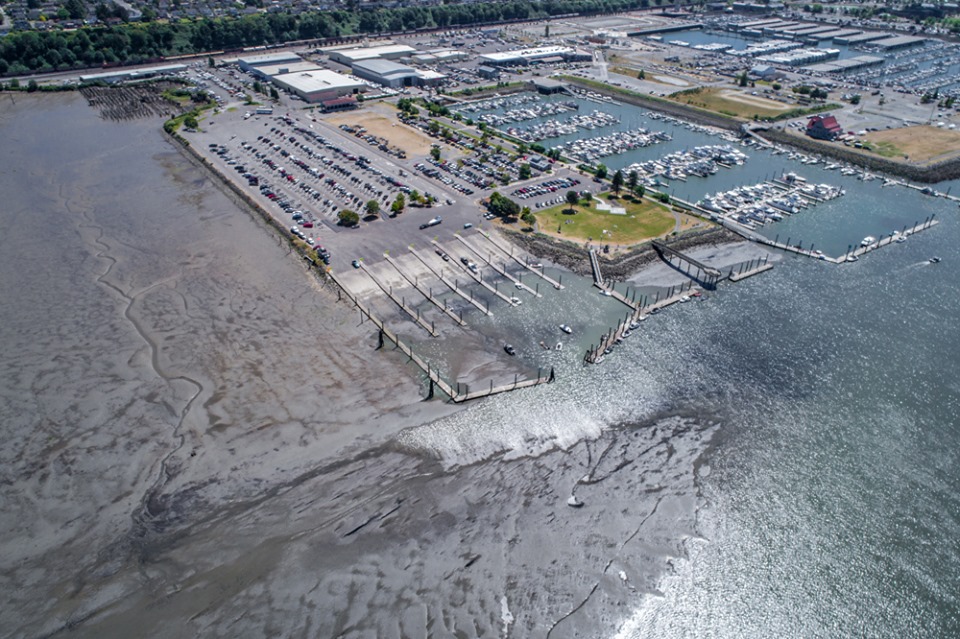
As water levels fluctuate seasonally or due to environmental changes, choosing the right marina becomes critical for the safety and longevity of your vessel. A low-water safe marina is designed and maintained to provide secure access and docking even when lake or river levels drop significantly. For new boaters, understanding what makes a marina low-water safe can prevent damage, frustration, and costly surprises.
What Does Low-Water Safe Mean?
A low-water safe marina is one that has infrastructure and management practices that accommodate water level changes without compromising accessibility or safety. This often includes:
Deep-water slips: Docks and moorings are placed where water remains deep enough during low-level periods.
Adjustable floating docks: These docks rise and fall with water levels, maintaining consistent access to your boat.
Dredged channels: Regular dredging ensures navigation routes remain clear and deep enough for most vessels.
Monitored depth and maintenance: Marina managers track water depths and adjust slip assignments accordingly.
These design features protect boats from grounding, propeller damage, or inaccessible docks during drought or low-water events.
Why It Matters for Seasonal and Annual Slip Holders
Whether you rent a slip for a single season or maintain an annual berth, a marina’s ability to handle water fluctuations directly impacts your boating experience. In some regions, water levels can vary by several feet throughout the year. Without proper planning, this can mean stranded boats or inaccessible slips.
If you’re evaluating a new marina, ask the following questions:
How does the marina handle low-water periods?
Are the slips floating or fixed?
Has the marina undergone dredging in the past few years?
What are the historical water level trends for this area?
Checking U.S. Army Corps of Engineers data or NOAA water level reports can provide additional insights before you commit to a slip.
Red Flags to Watch for When Choosing a Marina
Not all marinas are prepared for low-water conditions, and certain warning signs can indicate potential problems:
Fixed docks in shallow areas: These can quickly become unusable as water levels drop.
Muddy or exposed seabeds near slips: A sign that the marina may struggle during droughts.
No recent dredging history: If staff can’t provide details on maintenance or dredging schedules, that’s a concern.
Lack of depth markers: A well-managed marina should have clear, updated depth indicators.
Poor communication: If management avoids questions about water levels or historical trends, proceed cautiously.
Spotting these red flags early can save you from mid-season headaches or costly boat damage.
Tips for Boaters During Low-Water Conditions
Even in a low-water safe marina, boaters can take a few extra precautions:
Trim up when entering or exiting slips.
Use depth finders frequently.
Follow marked channels carefully.
Communicate with marina staff about water depth updates.
These small steps help minimize the risk of prop or hull damage.
Choosing the Right Low-Water Safe Marina
When searching for a marina for your seasonal or annual slip, prioritize those with:
Proven water management practices
Regular dredging schedules
Floating docks
Transparent communication on water conditions
A marina that invests in low-water safety features not only protects your vessel but also ensures more reliable access and peace of mind throughout the season.